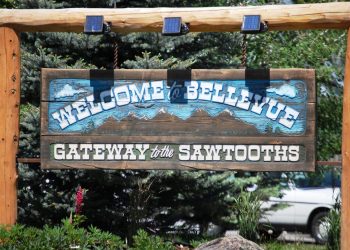
Bellevue, once called the “Gate City,” is a small community sitting at the mouth of the famed Wood River Valley in Blaine County, Idaho. Over the years Bellevue has been many things: a seasonal home for indigenous Americans, a silver mining boomtown, a rich agricultural hotspot, a basecamp for fantastic hunting and fishing, and much more. Today, Bellevue offers a great quality of life for its residents. Here, one will find welcoming neighbors, limitless outdoor access, and opportunities for economic prosperity.
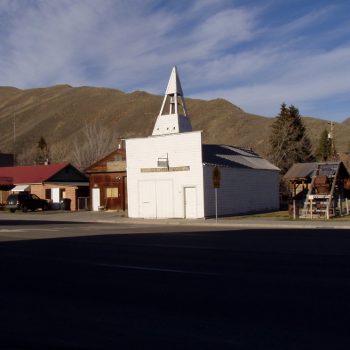
The City of Bellevue is proud of its heritage, people, and trajectory. If you want to learn more about our community’s history, please visit the Bellevue Historical Society’s impressive museum, located in the old Bellevue City Hall. If you want to learn more about Bellevue’s efforts to chart its path forward, you can read about Bellevue’s ongoing Comprehensive Plan Update.
1936
When the Sun Valley Resort opened in 1936, a whole new economic prospect emerged based on construction and recreational tourism.
1893
In 1893, with the demonetization of silver and subsequent decline in mining activity, many Bellevue residents left. But just as many had family, occupations, and homes that anchored them here, and they stayed. Some hard times followed – mines reopened and closed, the First World War, the Great Depression, World War II. Agriculture was the component that seemed to hold the town together.
1882-1883
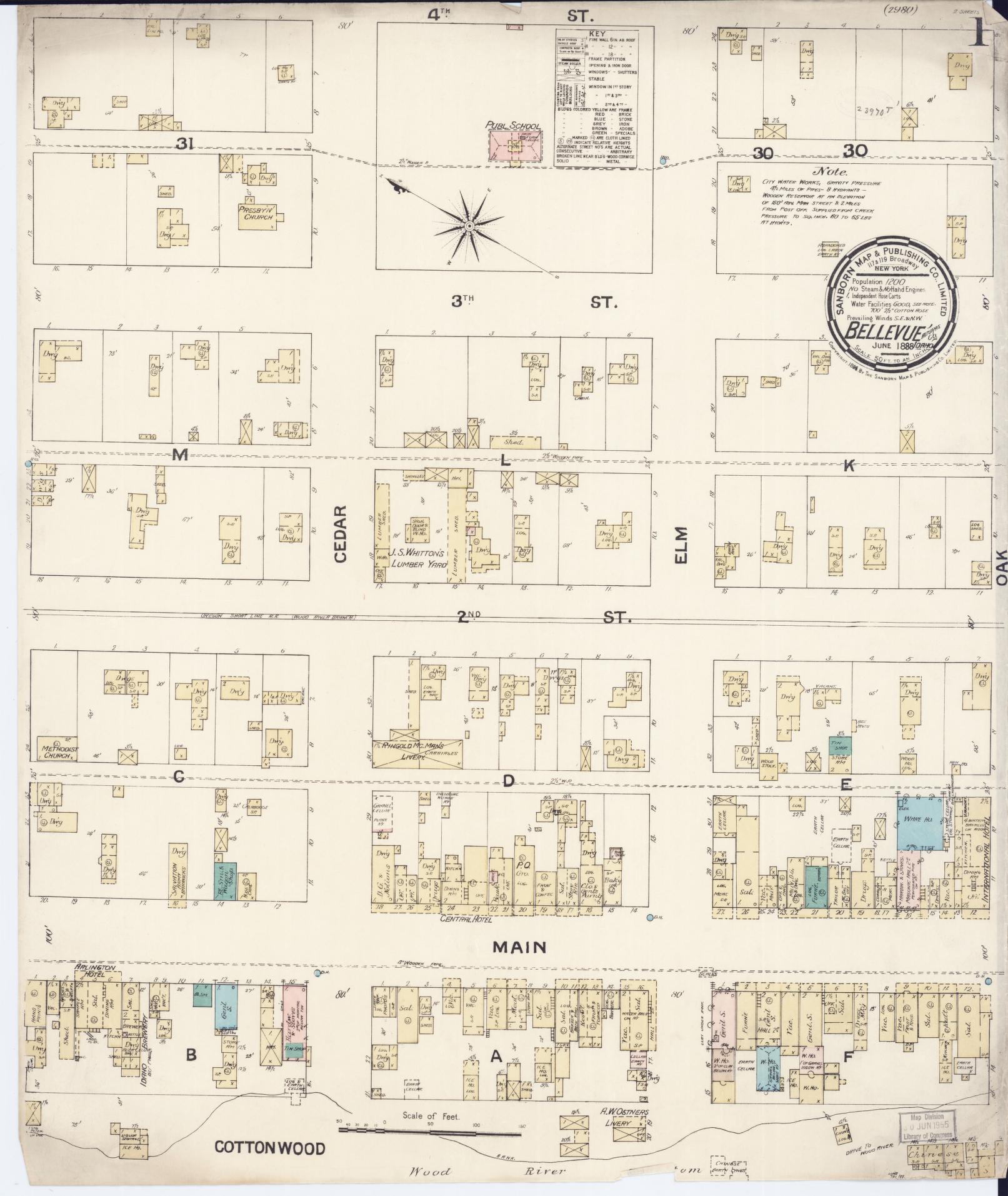
In the second year of the Idaho territorial legislature of 1882-83, Bellevue was granted a charter as a city “of the first order.” That same year, the Oregon Short Line Railroad came through Bellevue to haul out ore, bring in supplies, move passengers, and overall stimulated the town’s growth. Mining and agricultural interests invested in the town, and merchants and families arrived following a trail of economic possibilities.
1881-1893
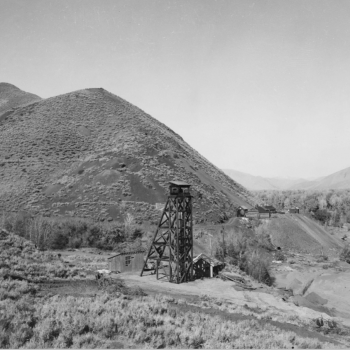
Between 1881 and the 1893 crash of the silver market, nearby mines produced more than $60 million worth of silver and lead.
1881
The nearby lands are also rich with resources, and Bellevue grew as a mining town. Between 1881 and the 1893 crash of the silver market, the mines near Bellevue produced more than $60 million worth of silver, lead and gold.[7] Some of Bellevue’s mines included Keystone, Palmas, Antelope, Big Camus, Phoenix, Paymaster, Silver Tide, and Monday Mine.
1880
The townsite of Bellevue was platted in 1880. Owen Riley built the first permanent structure in town, a log cabin that became a general store and pharmacy. On June 23, 1880, a U.S. Post Office was also opened in the same building, with Mr. Riley as the first postmaster.
1879
A first group of 27 settlers and miners spent the hard winter of 1879 here, planning to find and work claims of high-grade sliver when the snow was gone.
Approximately a mile west of present-day Bellevue, the town of Broadford, once Jacob’s City, sat at the mouth of the canyon containing the famed Minnie Moore and Queen of the Hills mines. And although both towns boomed from 1879 with activity related to mining, Bellevue survived and little remains of Broadford.
1824
Over the preceding years, indigenous peoples such as the Bannock and Shoshone made seasonal visits to the Wood River Valley, following the river and hunting game. Fur trader and explorer Alexander Ross passed through this area around 1824.