

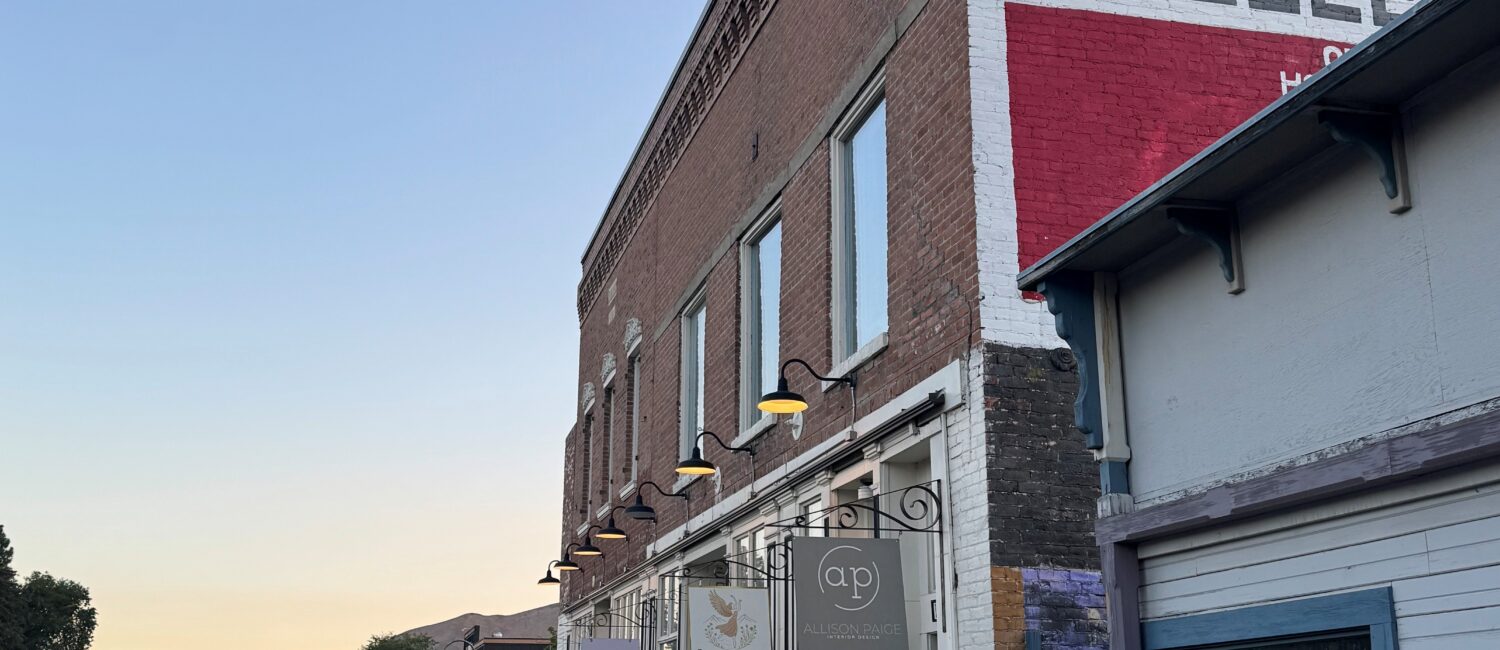
The City of Bellevue is considering modifications to its Business zoning district. These changes are the result of feedback from the community, both directly relating to the zoning code in question, as well as through other public comment opportunities such as development applications and the development of the Comprehensive Plan Update.
The intent of these changes is to make the rules clearer, more predictable, and better aligned with the desired character of Bellevue into the future. The proposed changes would modernize outdated provisions, support housing and local businesses, improve building and site design, and create a more consistent review process for applicants, neighbors, and decision-makers.
Why are these changes needed?
- Make the code clearer and easier to use. Updated definitions, consistent terminology, consolidated notice requirements, and streamlined procedures would reduce uncertainty and help the public understand how the rules apply.
- Recognize that different areas serve different purposes. Different portions of the current Business zone have developed differently. The proposal would establish standards that respond to the scale, character, and function of each area.
- Support more housing options. Updated mixed-use, multifamily, accessory dwelling unit, and local housing provisions would create more opportunities for homes while maintaining appropriate design and neighborhood compatibility.
- Strengthen downtown as a walkable community center. New standards would encourage active storefronts, visible entrances, buildings close to the sidewalk, and parking located behind or beside buildings.
- Maintain historical design patterns, without necessitating faux-historical design. More specific standards for building form, windows, materials, landscaping, parking, access, and service areas would allow greater design flexibility than the current architectural design standards .
- Improve transparency and efficiency. Consistent public notice, clearer decision-making roles, and administrative review for certain smaller projects would make the review process easier to follow and more efficient.
What key changes are proposed?
- Modernize definitions and land-use categories. Add or update definitions for uses such as artist studios,
breweries and brewpubs, grocery stores of different sizes, indoor and outdoor
recreation, public spaces, urban agriculture, and local housing. - Create distinct commercial and mixed-use districts. Establish separate Downtown and Highway Business districts and rename the Limited Business/Residential district as Neighborhood Mixed Use, with a clear purpose and set of standards for each.
- Clarify which uses are allowed. Identify permitted, accessory, conditional, and prohibited uses by district so routine proposals can move forward predictably and higher-impact uses receive appropriate review.
- Adopt district-specific development standards. Update requirements for building height, lot size, setbacks, façade length, parking, vehicle access, pedestrian entrances, windows, blank
walls, exterior materials, trash enclosures, and landscaping. - Expand opportunities for housing. Allow housing in appropriate commercial and mixed-use settings, simplify certain accessory dwelling unit rules, permit small-scale multifamily housing in Neighborhood Mixed Use, and provide incentives for deed-restricted local housing.
- Improve design and development review. Allow administrative approval for certain smaller design-review applications, require public hearings for other applications, strengthen design criteria, and
clarify the roles of the Planning and Zoning Commission and City Council. - Use consistent public notice procedures. Consolidate newspaper publication, mailed notice, and property-posting requirements into one standard process.
- Update parking and site-design rules. Address shared parking, parking reductions and maximums, safer access, rear or side parking placement, screening, drainage, snow storage, surfacing, and
pedestrian circulation.